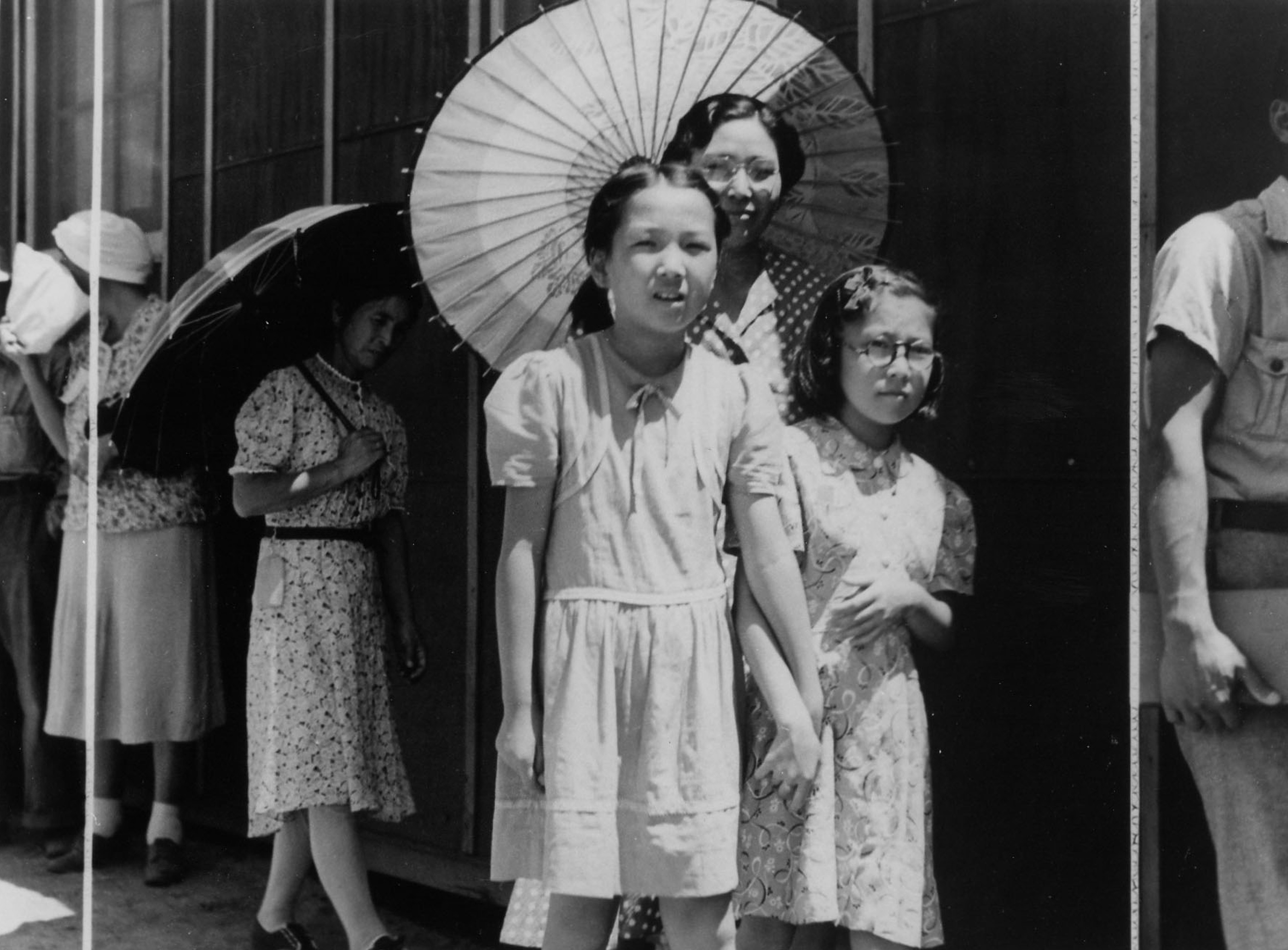
- Temporary Detention Centers -
1. Were Japanese Americans given adequate care and accommodations as they were rounded up? Were they given assurances and clear information on what the future held for them? No, they had very harsh conditions, and were not given proper attention.
- Permanent WRA Camps -
2. Discuss the claim by the U.S. Government that the camps were for the protection of Japanese Americans. Were the barbed wire fences and guard towers meant to keep vigilantes out or Japanese American inmates in? There were no camps at the isolated island so they kept the Japanese in.
- Camp Life -
3. Were the camps “resettlement communities,” or prisons? What’s the difference between the two? They were referred to as resettlement communities. They are places where you can find new homes. Prisons are places for convicts that have been arrested.
4. Did the War Relocation Authority take measures to protect family life and privacy? Yes, they provided them with recreational activities, in hope that it wouldn't result in violence.
- Questions of Loyalty -
5. How did Japanese Americans respond after being incarcerated without due process of law, to questions asking them whether or not they were unquestioningly loyal to this country? They were very outraged because, they were once again asked to prove their loyalty. Also, if the parents answered yes to any of the two questions, they would be seperated from their families.
- Tule Lake Segregation -
6. Were those who answered “no” to the loyalty questions clearly “disloyal” or were they voicing discontent with their treatment? They were labeled as disloyal, however they were actually voicing discontent with their treatments.
- Draft Resisters -
7. Why did these young men resist being drafted into the military? Write or improvise a conversation between two brothers in an internment camp who make two different opposing decisions on the draft: one enlists, the other resists. What are their points of agreement, if any? How do they differ? Is one brother more patriotic than the other?
- Military Service -
8. What did it take to fight for a country that kept your family interned behind barbed wire? It took the urge to validate their loyalty and to respond to the JACL.